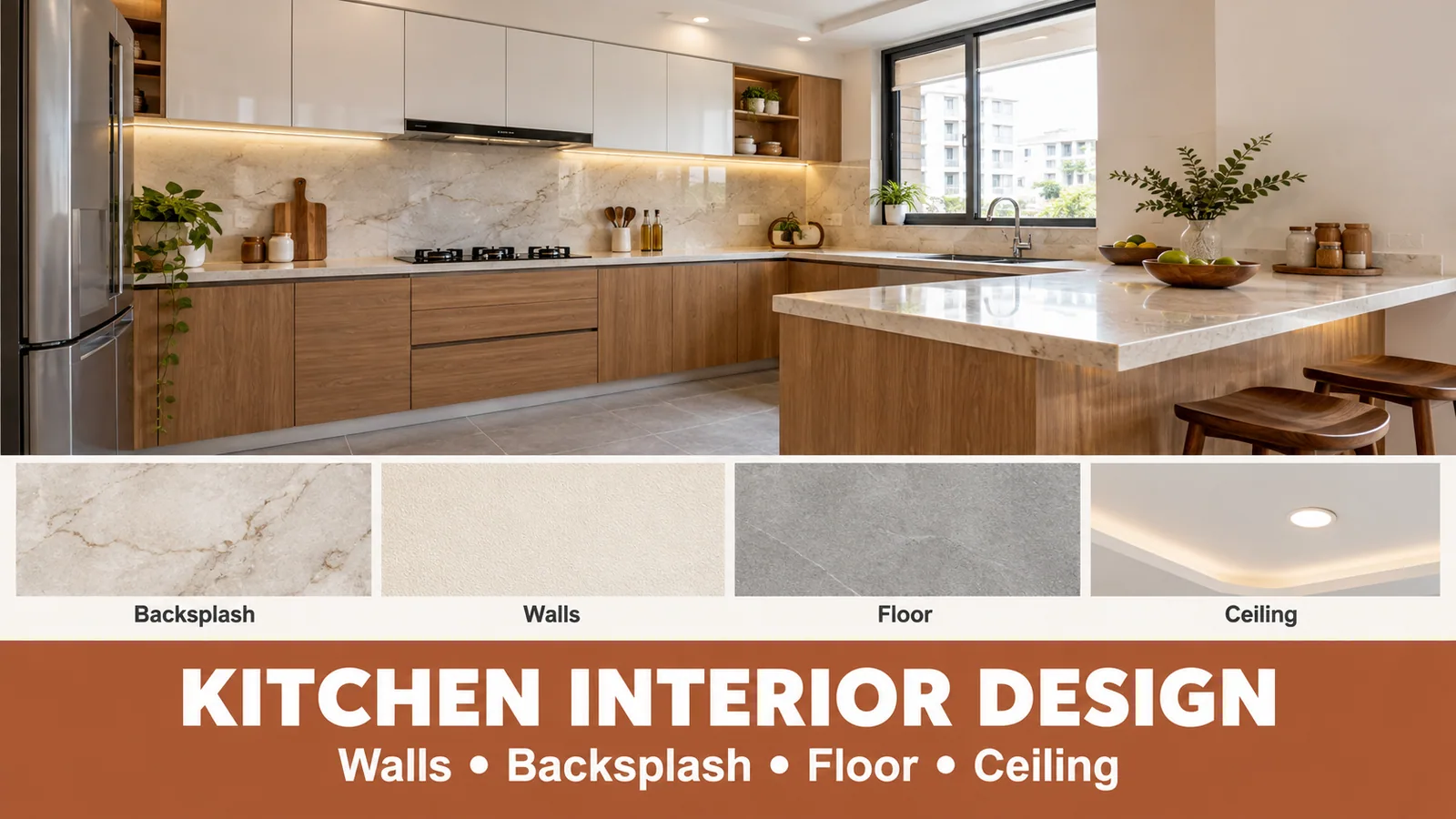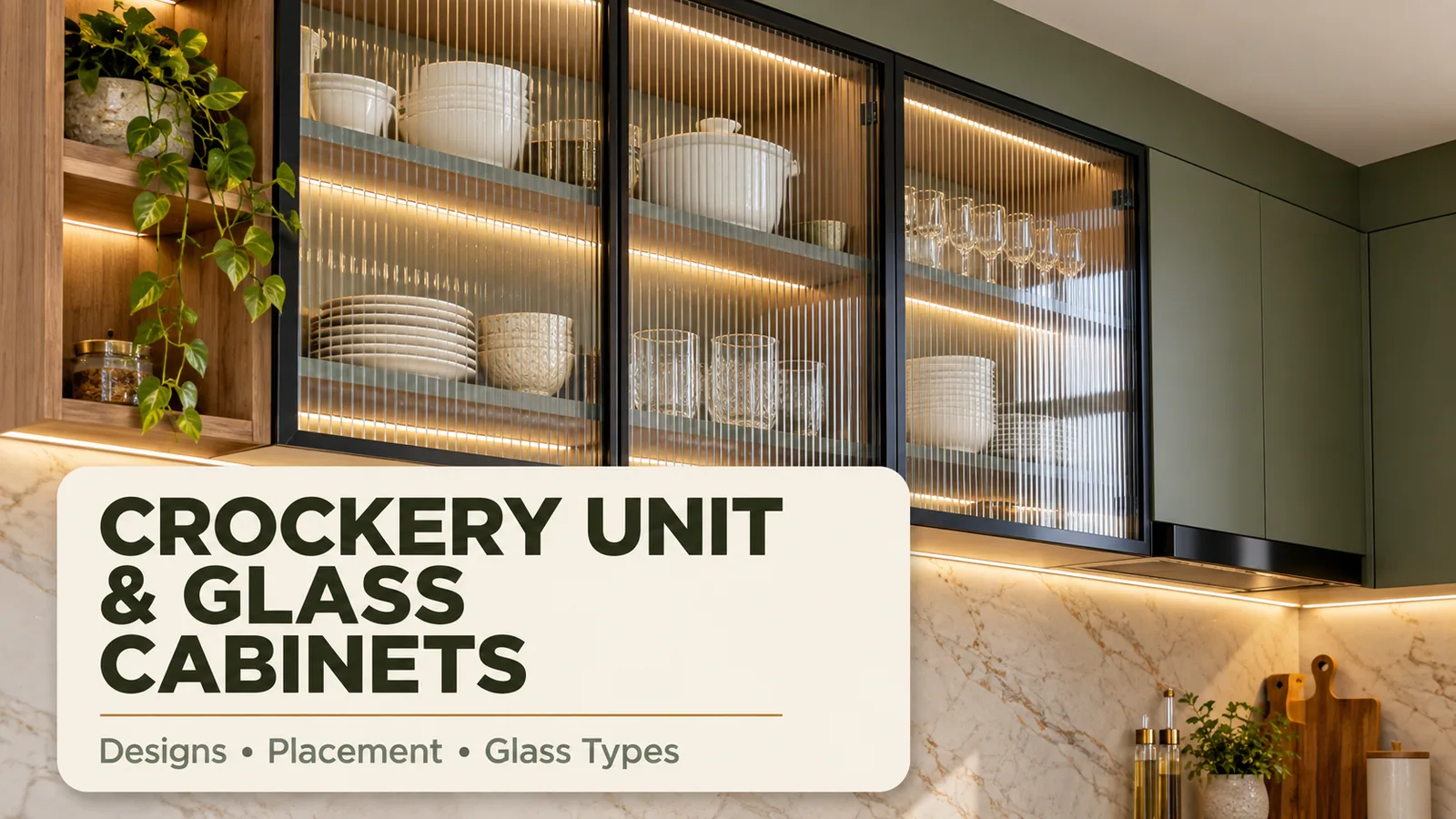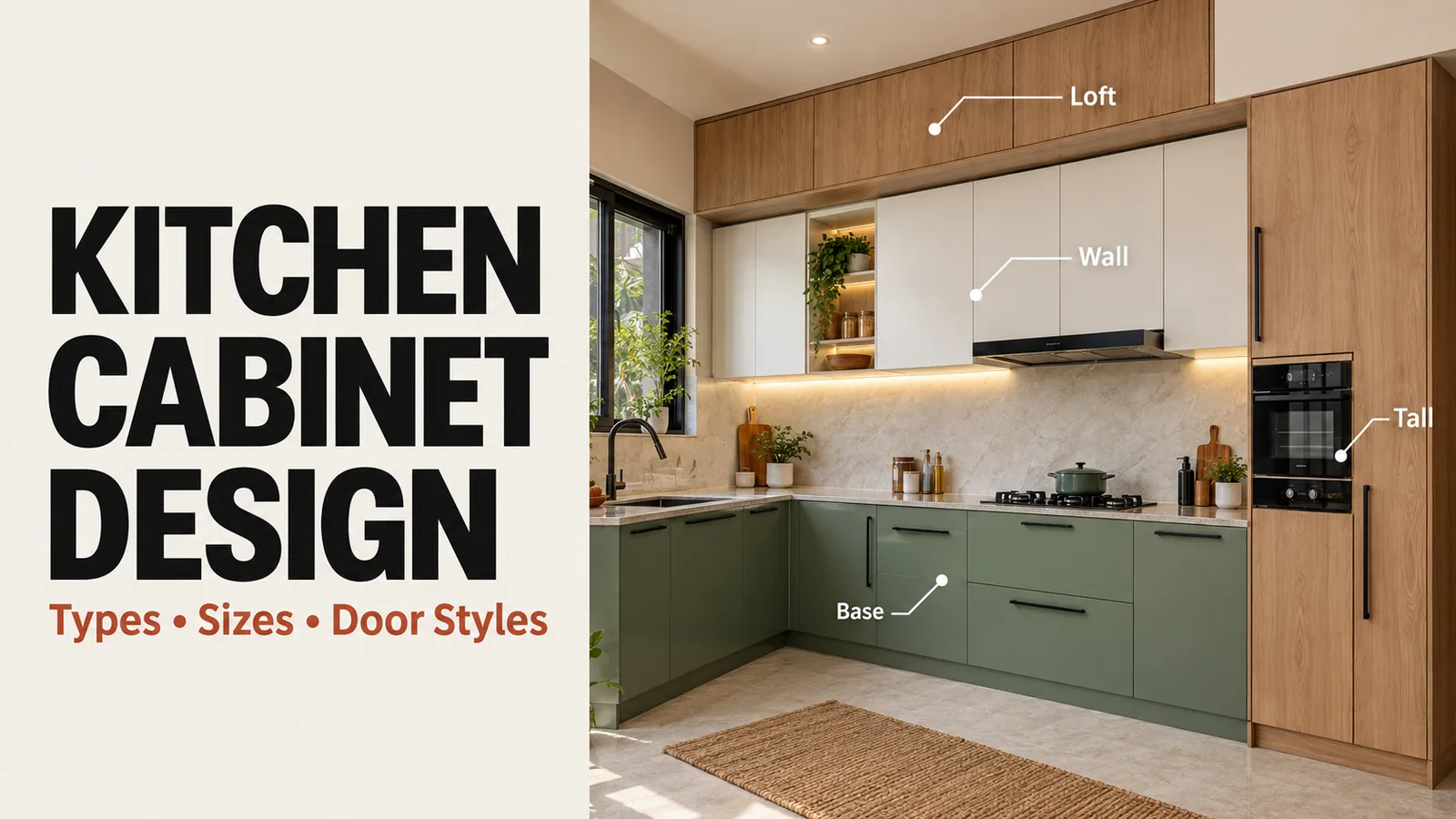
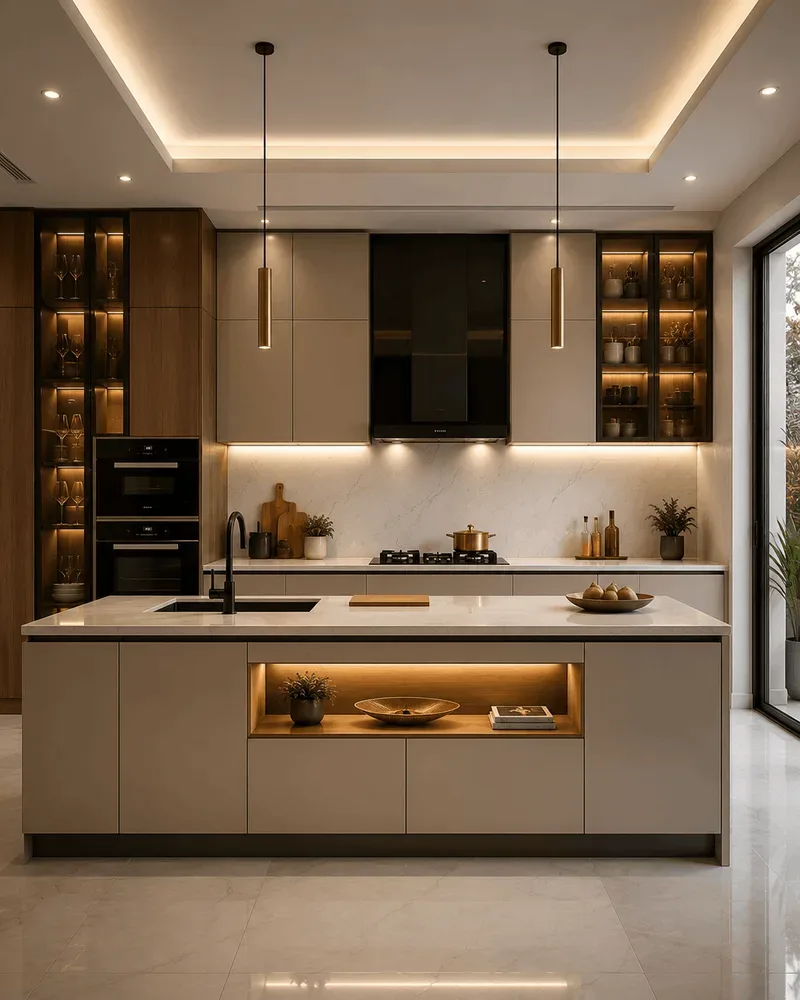

This is probably the most debated question in Indian kitchen planning. Ask your parents and they will vouch for the trusted carpenter; ask a designer and they will push modular; ask the internet and you will be pulled both ways. The honest answer is that both can be good — a carpenter-made kitchen is not automatically inferior, and a modular kitchen is not automatically worth its price. What matters is the technical difference behind each approach, so you can choose based on your space, your cooking and your budget rather than on a sales pitch. This is that comparison, without the marketing.
What Each One Actually Is
A carpenter-made (or civil) kitchen is built entirely on site: a carpenter cuts and assembles cabinets in your home to fit the exact walls. A modular kitchen is a system of cabinet units manufactured in a factory under controlled conditions, then assembled and installed at your home. The core difference is where and how the cabinets are made — by hand on site, or by machine in a factory — and almost every practical difference below flows from that one distinction.
Head-to-Head Comparison
Factor | Modular (factory-made) | Carpenter-made (on-site) |
|---|---|---|
Precision & finish | Machine-cut, consistent gaps and alignment | Depends on the carpenter's skill |
Build time | Faster — most work is off-site; install in days | Slower — weeks of on-site work |
Storage & accessories | Engineered pull-outs, corners, soft-close built in | Possible but harder to fit precisely |
Upfront cost | Often modestly higher for the same spec | Often lower upfront |
Consistency & warranty | Repeatable quality, warranty on paper | Varies; warranty rare |
Odd/non-standard spaces | Custom units still needed | Very flexible for awkward spaces |
Precision and Finish
This is where factory manufacturing has a genuine, measurable edge. Panels cut by machine come out square and identical, so cabinet gaps, shutter alignment and corner joins are tighter and cleaner than most hand-cutting on site can achieve. Edge-banding applied under heat and pressure seals the board against moisture more reliably than a hand-finished edge. A skilled carpenter can do excellent work, but the result depends entirely on that individual's skill and care on the day — factory output is consistent cabinet after cabinet.
Time and Disruption
A carpenter-made kitchen means weeks of cutting, dust and noise inside your home. A modular kitchen is manufactured off site, so the messy work happens at the factory and only assembly and installation happen at home — typically a matter of days once the units arrive. If you are living in the home during the project, that difference in disruption is significant.
Cost: The Honest Picture
Upfront, a carpenter-made kitchen is often a little cheaper than an equivalent modular one, mainly on labour. But two things change the real comparison. First, durability is driven by materials more than method — a cheap kitchen of either type built on particle board will fail early, and a good one of either type built on plywood will last. Second, and this is the part most buyers miss: much of a *branded showroom* kitchen's price is not material at all — it is the premium for the brand, the franchise and the showroom, which across the market can run well above the same materials fitted directly. That premium is avoidable without giving up factory precision.
This is exactly the gap a factory-direct manufacturer fills. Reedify manufactures in its own factory in Rohtak and supplies direct — you get factory precision and a fixed, itemised quote, but without the dealer or showroom margin layered on top. You can see precisely how that working model runs: site measurement, a 3D design you approve, in-house manufacturing, then installation by the same team, with a modular kitchen manufacturer accountable end to end rather than a chain of middlemen.
When a Carpenter-Made Kitchen Still Makes Sense
Honesty matters here, because modular is not always the answer. A carpenter-made kitchen can be the better choice when your kitchen has genuinely non-standard dimensions, columns, low ceilings or awkward alcoves that standard modules cannot fill cleanly; when you have a trusted, proven carpenter and the time to supervise closely; when you want to personally select every material and grade; or when your total budget is low enough that you cannot access good modular quality and a skilled carpenter with specified plywood will do more with the money. Local repairs can also be simpler, since a carpenter can replace a panel without ordering factory parts.
When Modular Is the Better Investment
For most urban Indian homes, a well-built modular kitchen is the stronger long-term choice: factory-level precision, repeatable quality across every cabinet, engineered storage that a carpenter fits with more effort, faster and cleaner installation, and a warranty in writing. The case is strongest when you want consistency and accountability, and it becomes clearly better value when you buy factory-direct and skip the showroom premium. Reedify backs every kitchen with warranty support of up to 10 years*, which is the kind of assurance an on-site carpentry job rarely comes with.