
The Measurement Nobody Takes
Storage is the most consistently under-ordered line in an office furniture order, and the reason is always the same: cabinets get chosen from what is available rather than from what has to go inside them.
For a chartered accountancy or legal practice in Nehru Place, that gap is not cosmetic. A practice that handles paper all day will fill its storage within months, and the overflow lands on windowsills, on top of cabinets and in cardboard boxes under desks. At that point the only fixes are expensive: buying storage that does not match, or losing floor area you were using for seats.
The measurement that prevents it takes an afternoon. Count the files first, in running metres, then choose the cabinets.
How to Count in Running Metres
A running metre is one metre of horizontal shelf or drawer space with files standing in it. It is the only unit that translates directly into cabinet capacity.
Walk the office and measure what is currently stored, wherever it is sitting, including the boxes nobody has dealt with. Record it in a sheet like this, one row per category.
Category | How to measure it | Note |
|---|---|---|
Active client files | Metres of shelf or drawer currently occupied | Files touched in the current year |
Reference and archive | Metres, including boxes on the floor and on top of cabinets | The category that has usually overflowed already |
Statutory and compliance records | Metres, kept separately if access is restricted | Retention periods are a professional question, not a furniture one |
Registers and bound volumes | Metres, and note the height, which is often non-standard | Frequently too tall for a standard shelf pitch |
Stationery and forms | Shelf metres, not file metres | Needs depth rather than height |
Items that must be locked | Metres, listed separately | Determines how many lockable units you need |
Personal storage per person | Count of people, not metres | Handled by pedestals, not by shared cabinets |
Two columns matter as much as the metres. Note who needs to reach each category, because storage nobody can reach is storage nobody uses. And note how often it is accessed: daily, monthly or almost never. That single column decides the storage mix more than the total does.
Add Growth Before You Convert to Cabinets
A practice that has been running for a few years can estimate its own growth better than any general figure: look at how much the active file shelf has grown over the last two or three years and project the same.
Then decide what leaves. Most document-heavy offices have a category that could be archived off-site or digitised but never has been, because nobody had a reason to decide. Ordering storage is that reason. Deciding to remove two metres is cheaper than buying two metres of cabinet, and it is the only part of this exercise that reduces the number.
On retention, be careful. How long records must be kept is a professional and statutory question specific to your practice, and it should come from your own compliance advice rather than from a furniture supplier. Plan the furniture around the answer you already have.
Converting Metres Into the Right Storage
Once you have the total and the access frequency, split it rather than buying one type of cabinet.
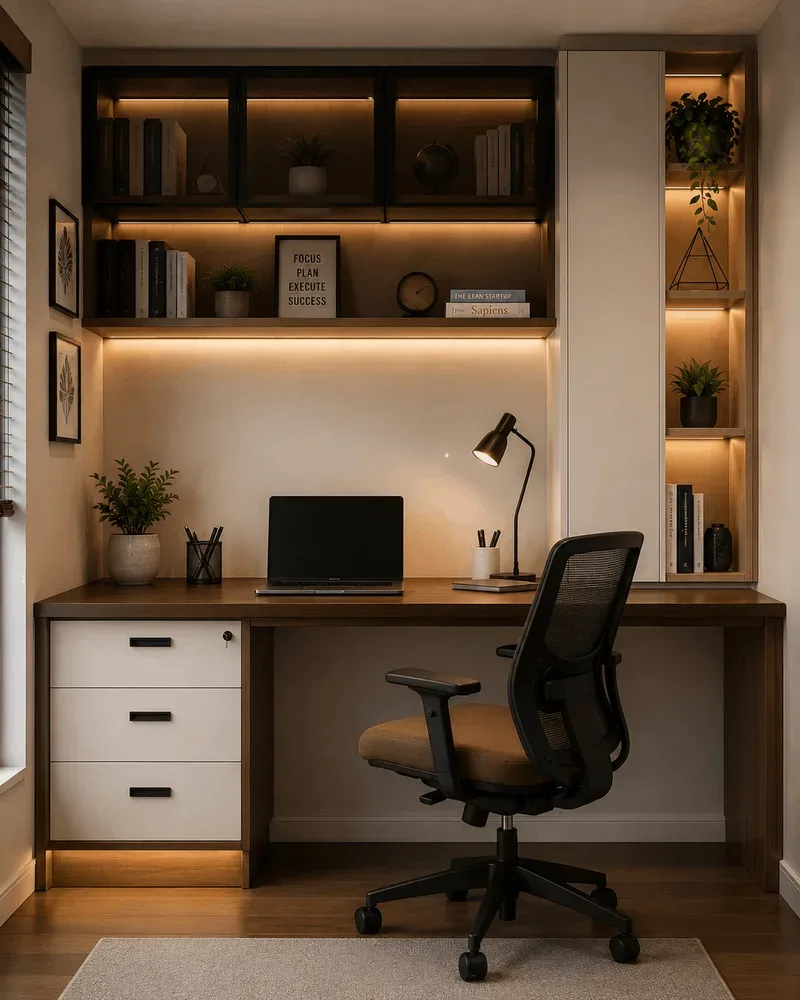
Daily access, at the desk. Mobile pedestals, one per working position. These hold current work and personal items and they move with the person during a reshuffle, which fixed drawer units do not.
Daily or weekly access, near the team. Filing cabinets in drawer or mobile format, sized for A4 and legal folders, placed inside the zone that uses them. The common mistake is one central filing bank that everybody has to walk to; proximity is what makes filing actually get filed.
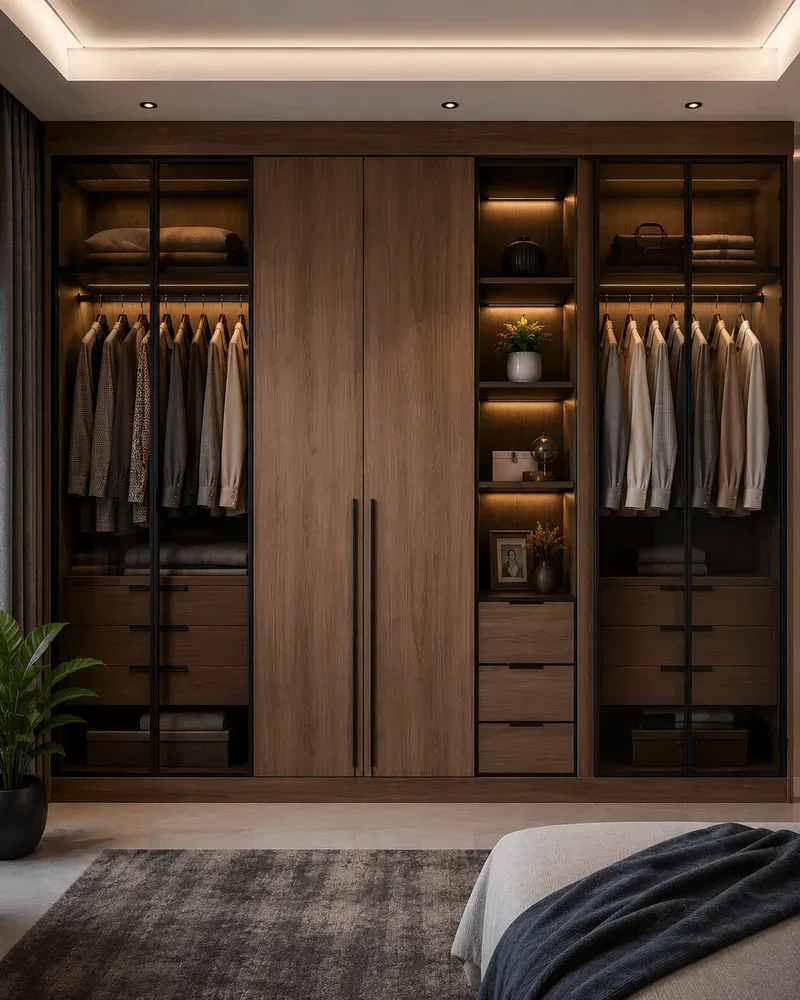
Monthly access. Half-height or full-height storage cabinets with adjustable shelves, along the wall behind or beside the team. Adjustable shelving matters here because bound registers and box files need different pitches.
Rare access. Full-height cabinets in the least valuable floor area, or off-site. Do not spend prime wall length on records nobody opens.
Restricted access. Lockable units, with the lock specification and key control agreed rather than assumed. Note which units need locks at specification stage, since retro-fitting is rarely clean.
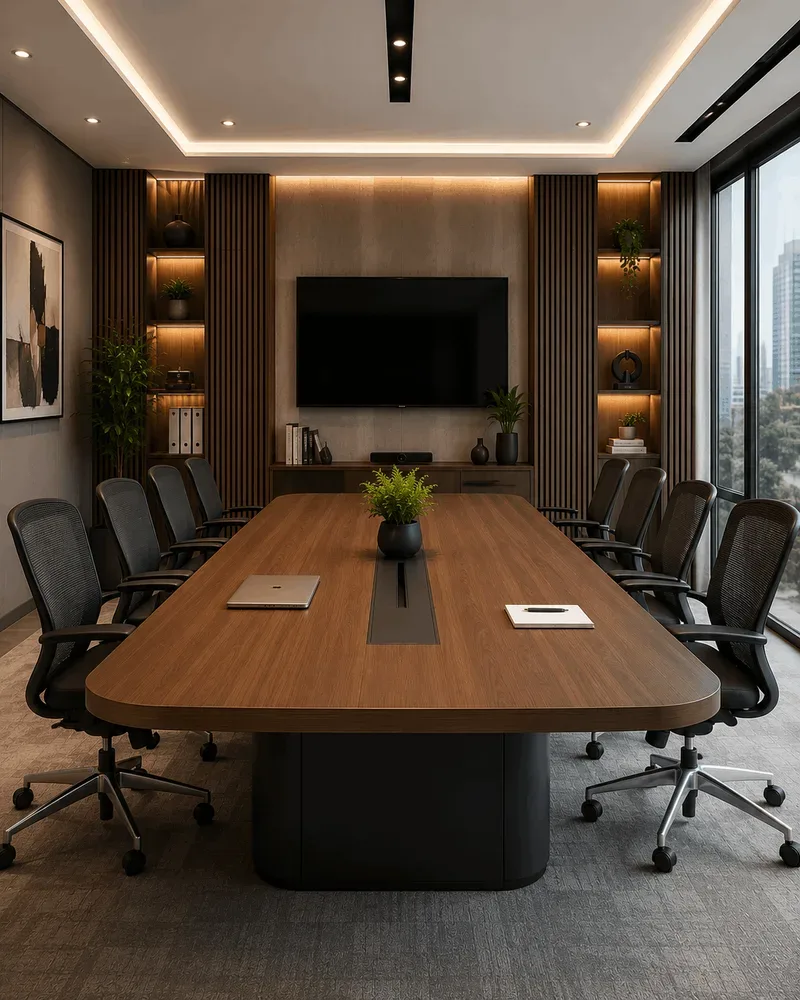
Reedify manufactures filing cabinets in pedestal, drawer and mobile formats, full-height and half-height storage cabinets with adjustable shelves and lock options, and credenzas for the cabin and boardroom wall, all finished to match the rest of the furniture. The range is on the modular office furniture hub.
Three Signs the Last Order Was Short
If any of these describes the current office, the previous storage count was wrong and repeating it will produce the same result.
Files are stored on top of cabinets, which means the cabinet capacity ran out and nothing was done about it. Boxes sit on the floor in a corner, usually archive material that was never assigned a home. And at least one person keeps a personal stack on a windowsill, which usually means shared storage is too far from where they work rather than too small.
Each of those points at a different failure. The first is a quantity problem, the second is an unassigned category, and the third is a placement problem. Count for all three rather than simply ordering more of what you already have.
Getting the Count Done in an Afternoon
The exercise is quicker than it sounds if it is organised. Take a tape measure and the category sheet, work room by room rather than category by category, and measure occupied shelf length rather than counting files. Include every surface that is currently doing storage work, including the tops of cabinets and the space under desks.
Add a column for who uses each category and how often, fill it as you go rather than afterwards, and photograph anything unusual in size. Two people can complete a mid-sized practice in a single afternoon, and the output is the only document that makes a storage quote meaningful.
Where the Storage Goes
In a Nehru Place office, floor area is the scarce resource, so placement deserves as much thought as quantity.
Put frequently accessed storage inside the team zone, not in a corridor
Keep cabinet door arcs and drawer extensions out of walking routes
Use the wall behind the working position for depth, since it is rarely used for anything else
Where floor length is exhausted, add hutch or wall-hung storage above a credenza rather than another floor-standing unit
Leave the area in front of full-height cabinets clear, which means not placing a visitor chair there
Check the load-bearing assumption for anything wall-hung, with the building rather than with the furniture supplier
Specify the Storage Properly
Storage is where thin specifications hide most easily, because the outside of a cabinet looks the same whatever is behind it. Ask for the board and thickness for the carcass and the shelf separately, since shelves carry the load and sag first. Ask for the shelf pitch and whether it is adjustable. Ask for the lock type and key control. Ask for the drawer channel brand and its load rating, because a drawer full of files is a different proposition from a drawer holding stationery.
The wider method for making those lines comparable across bidders is set out in the guide on putting the specification in writing, and if you are also shopping the furniture market, the sample checks are in the guide on inspecting a sample before ordering.
Reedify measures the site before quoting, designs the layout in 3D for approval and manufactures at its own Rohtak factory. The city scope is on the office furniture manufacturer in Delhi page, with the sequence under our working model. Structural cover runs up to 10 years*, with terms by component on the warranty and service support page.
Frequently Asked Questions
Related services & next steps